
Mastering the Fundamentals of Consumer Credit: Understanding Consumer Credit for Financial Success
Navigating the world of credit can feel overwhelming. Yet, mastering the fundamentals of consumer credit is essential for anyone looking to improve their financial standing. Whether you are an individual or a business aiming to repair credit and unlock better financial opportunities, understanding how credit works is the first step toward financial freedom.
Understanding Consumer Credit: What You Need to Know
Consumer credit refers to the ability to borrow money or access goods and services with the agreement to pay later. This can include credit cards, personal loans, auto loans, and other forms of borrowing. The key to mastering credit lies in understanding how it impacts your financial health.
Credit scores are numerical representations of your creditworthiness. They are calculated based on your credit history, payment behavior, debt levels, and other factors. A higher credit score generally means better loan terms and lower interest rates.
For example, if you apply for a mortgage or a car loan, lenders will check your credit score to decide whether to approve your application and at what interest rate. This is why maintaining a good credit score is crucial.
Here are some practical tips to build and maintain good credit:
Pay bills on time: Late payments can significantly damage your credit score.
Keep credit utilization low: Use less than 30% of your available credit.
Avoid opening too many accounts at once: Each application can cause a small, temporary drop in your score.
Review your credit report regularly: Check for errors and dispute inaccuracies promptly.
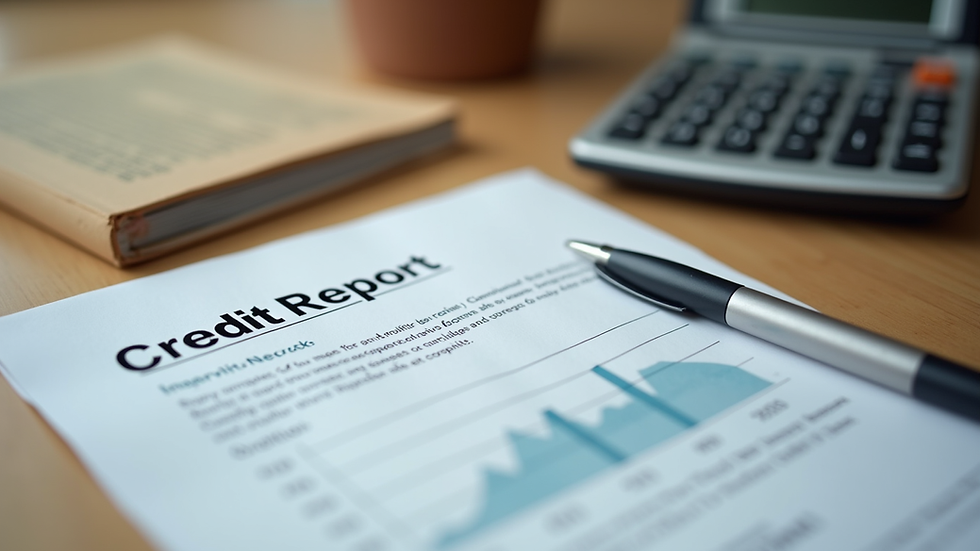
How Credit Scores Are Calculated
Understanding the components of your credit score can help you make smarter financial decisions. The most widely used credit scoring model is FICO, which considers five main factors:
Payment History (35%) - Your record of paying bills on time.
Amounts Owed (30%) - The total amount of debt you carry relative to your credit limits.
Length of Credit History (15%) - How long your credit accounts have been open.
New Credit (10%) - Recent credit inquiries and newly opened accounts.
Credit Mix (10%) - The variety of credit types you have, such as credit cards, mortgages, and installment loans.
Each factor plays a role in determining your overall score. For instance, missing a payment can have a more significant negative impact than opening a new credit card.
To improve your score, focus on the areas where you have the most control. For example, if you have high credit card balances, paying them down can quickly boost your score.
Is consumer credit good or bad?
The question of whether consumer credit is good or bad does not have a simple answer. It depends on how it is used. When managed responsibly, credit can be a powerful tool to build wealth and achieve financial goals. It allows you to make large purchases, invest in your future, and handle emergencies.
However, misuse of credit can lead to debt accumulation, high-interest payments, and financial stress. For example, relying heavily on credit cards without a plan to pay off balances can result in mounting debt and damage to your credit score.
Here are some ways to use credit wisely:
Borrow only what you can repay: Avoid taking on debt that exceeds your repayment ability.
Use credit for investments, not consumption: Financing education or a business can be beneficial, while using credit for everyday expenses may not be sustainable.
Monitor your credit regularly: Stay informed about your credit status to avoid surprises.
In essence, credit is a tool. Like any tool, its value depends on how you use it.

Practical Steps to Repair and Improve Credit
If your credit score is less than ideal, don't worry. There are actionable steps you can take to repair and improve it over time. Here’s a step-by-step approach:
Obtain Your Credit Reports: Get free copies from the three major credit bureaus - Equifax, Experian, and TransUnion.
Identify Errors and Dispute Them: Incorrect information can drag your score down. File disputes for any inaccuracies.
Pay Down Existing Debt: Focus on reducing high-interest debts first.
Set Up Payment Reminders: Avoid late payments by using calendar alerts or automatic payments.
Consider Credit Counseling: Professional advice can help you create a personalized plan.
Avoid Closing Old Accounts: Length of credit history matters, so keep older accounts open if possible.
Limit New Credit Applications: Each application can temporarily lower your score.
By following these steps consistently, you can gradually rebuild your credit profile and qualify for better loans and credit opportunities.
Leveraging Credit for Business Growth
For businesses, especially small and medium enterprises, credit is not just about survival but growth. Access to credit can help you invest in inventory, equipment, or marketing efforts that drive revenue.
Here are some tips for businesses to manage credit effectively:
Separate personal and business credit: This helps protect your personal assets and build business credit history.
Maintain good payment records with suppliers and lenders: Positive relationships can lead to better credit terms.
Use credit lines strategically: Avoid maxing out credit lines to maintain a healthy credit utilization ratio.
Plan for seasonal fluctuations: Use credit to manage cash flow during slow periods.
Building strong business credit can open doors to larger loans and better financing options, which are essential for scaling operations.
Taking Control of Your Financial Future
Mastering the fundamentals of credit is a journey, not a one-time event. It requires ongoing attention, discipline, and education. By understanding how credit works, monitoring your credit health, and making informed decisions, you can unlock financial opportunities that were previously out of reach.
Remember, credit is a tool that, when used wisely, can help you achieve your goals. Whether you are repairing your credit or building it from scratch, the key is to stay proactive and informed.
If you want to learn more about how to improve your credit and qualify for better financial products, consider reaching out to professionals who specialize in credit repair and financial coaching. Taking that first step can set you on the path to financial freedom.

Mastering credit fundamentals empowers you to take control of your financial destiny. Start today, and watch your opportunities grow.


https://keonhacai.cam/ dạo này thấy vài người nhắc nên mình cũng bấm vào xem thử cho biết thôi. Mình không có soi kỹ nội dung hay gì, chủ yếu nhìn cách họ làm giao diện có dễ dùng không. Ấn tượng đầu là bố cục khá thoáng, các mục được chia theo từng khối nhìn phát hiểu ngay chứ không bị nhồi chữ. Mình lướt trên điện thoại vẫn thấy ổn, chữ và khoảng cách vừa mắt nên không phải nheo mắt đọc. Cái mình thích là thanh menu để chỗ dễ thấy, bấm qua lại giữa các phần cũng nhanh, không phải tìm vòng vòng. Nói chung cảm giác như họ sắp xếp để người mới vào cũng không bị…